Exactly How a Sleep Study Can Transform Your Sleep Patterns: Insights and Services Available
A sleep research study works as an essential device for individuals seeking to understand and enhance their rest patterns. It supplies a detailed evaluation of sleep behaviors and potential disorders. By reviewing various metrics, medical care specialists can determine underlying issues that disrupt restorative remainder. This procedure not only help in diagnosis but also sets the phase for customized therapy strategies. What insights might a rest research expose regarding your own sleep habits?
Comprehending Rest Studies: What to Anticipate
They typically wonder what the experience will involve when individuals prepare for a rest study. These researches, typically carried out in a rest facility, aim to keep track of different physical specifications during rest. Upon arrival, participants are greeted by trained professionals who lead them via the procedure. The atmosphere is designed to be comfy, enabling a natural rest experience. Individuals might be asked to fill in sets of questions regarding their rest behaviors and clinical background, which helps in the evaluation.
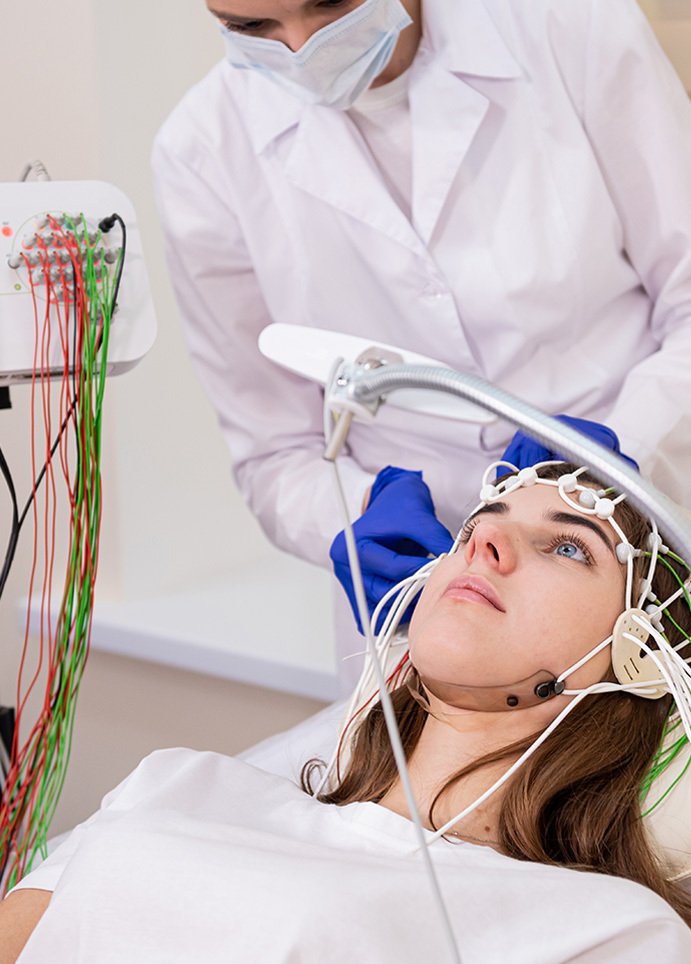
As the night advances, sensing units are connected to the body to track brain waves, heart price, and breathing patterns. While the setup might really feel uncommon, the objective is to collect exact information on the individual's rest patterns. The whole treatment is non-invasive and presents no risk to the individual. Inevitably, the information accumulated throughout the rest research is necessary for diagnosing potential rest problems and creating efficient therapy plans.
Common Rest Disorders Identified Through Rest Researches
Sleep researches play a vital duty in identifying various sleep disorders that can greatly impact a person's wellness and wellness. Common conditions discovered with these researches consist of obstructive rest apnea, defined by duplicated disturbances in breathing throughout rest, resulting in fragmented sleep patterns. Another widespread problem is insomnia, which involves difficulty dropping or remaining asleep, typically leading to daytime fatigue and damaged functioning. Agitated legs syndrome (RLS) is additionally frequently observed, creating uneasy experiences in the legs and an uncontrollable desire to relocate them at evening. Narcolepsy, a neurological problem that impacts sleep-wake cycles, is one more major condition determined in rest researches, resulting in extreme daytime drowsiness and unexpected rest attacks. Parasomnias, which incorporate uncommon habits during sleep, such as sleepwalking or night terrors, are additionally noted. Early identification of these conditions can promote prompt intervention and improve overall sleep top quality.
The Process of a Rest Research Study: From Prep Work to Outcomes
The procedure of a sleep research study may seem intimidating, it is a methodical and structured technique designed to gather crucial details concerning a person's sleep patterns. A health care company carries out a complete analysis, reviewing sleep history and signs and symptoms with the person. This assessment aids identify the certain emphasis of the research study.
Prep work normally includes standards on sleep health and medicine modifications prior to the research. Patients might be instructed to avoid high levels of caffeine and alcohol to ensure precise results. On the evening of the research, electrodes and sensors are put to keep track of mind task, heart price, breathing, and motions throughout sleep.
The information gathered is thoroughly analyzed by rest experts, that determine any type of problems or patterns a sign of sleep conditions. Following this evaluation, a follow-up examination is prepared to talk about the searchings for and possible treatment options customized to the patient's demands, helping with improved sleep quality.
Sorts Of Rest Researches: In-Lab vs. Home Sleep Examinations
2 main sorts of sleep studies exist: in-lab researches and home sleep tests, each dealing with various demands and situations. In-lab research studies generally take place in a rest clinic where people are checked over night by medical care professionals. This technique permits complete data collection on numerous sleep specifications, such as brain activity, oxygen degrees, and heart rate. People are usually linked to numerous sensing units, supplying detailed insights into their rest problems, consisting of sleep apnea and narcolepsy.
On the other hand, home rest tests offer a more convenient choice for individuals that prefer to conduct evaluations in their very own atmosphere. These mobile devices keep track of essential metrics like air flow, oxygen saturation, and snoring. While home tests are much less thorough than in-lab researches, they serve as a functional solution for identifying usual sleep conditions. Inevitably, the choice between these 2 kinds of sleep research studies depends on specific preferences, medical requirements, and the intensity of sleep-related issues.
Translating Your Sleep Research Outcomes: Trick Metrics Explained
Comprehending the outcomes of a rest research study is crucial for patients looking for understandings into their rest health. Secret metrics normally assessed in rest researches consist of the Apnea-Hypopnea Index (AHI), which gauges the variety of apneas and hypopneas per hour of sleep. AHI worths help figure out the seriousness of rest apnea, with higher ratings showing more significant issues. One more crucial metric is the complete rest time (TST), which mirrors the total period of rest during the research study. Sleep efficiency, the ratio of time spent asleep to time invested in bed, is additionally important; higher percentages suggest better sleep quality. Additionally, the percentage of rest invested in different stages-- light, deep, and rapid eye movement-- offers understandings into rest style. Comprehending these metrics furnishes people with the knowledge needed to review their sleep patterns with medical care service providers, leading the means for educated decisions concerning their rest health and wellness.
Therapy Alternatives and Recommendations Based on Your Rest Study
When a sleep research discloses concerns such as rest apnea or other sleep disorders, various therapy alternatives and recommendations appear to improve total sleep health and wellness. For obstructive sleep apnea, continual favorable airway stress (CPAP) therapy is frequently recommended, providing a constant stream of air to keep airways open during sleep. Alternatively, oral home appliances may be recommended for moderate to modest situations, repositioning the jaw to prevent air passage blockage.
In situations of sleeping disorders, cognitive behavior modification for insomnia (CBT-I) is commonly recommended, concentrating on behavior modifications and thought patterns that interfere with sleep. Furthermore, lifestyle adjustments such as weight reduction, regular workout, and preventing alcohol or caffeine before going to bed may boost sleep high quality.

Structure Healthy Sleep Behaviors: Tips for Better Rest
Structure healthy rest behaviors is necessary for achieving restorative remainder. Establishing a regular rest routine, limiting display time before bed, and producing a comfortable sleep atmosphere can greatly boost sleep over here top quality. These strategies function as foundational steps for people seeking far better rest end results.
Establish a Sleep Routine
Developing a consistent rest regimen is important for advertising healthy and balanced rest practices and boosting total wellness. Sleep Study Bangalore. A normal rest routine, where people go to bed and wake up at the same time every day, strengthens the body's all-natural body clocks. This predictability helps manage the sleep-wake cycle, leading to enhanced rest quality. Producing a calming pre-sleep ritual, such as analysis or practicing relaxation strategies, can signify the body that it is time to wind down. Furthermore, optimizing the sleep setting-- by keeping a comfy temperature, minimizing noise, and making sure darkness-- can better sustain relaxed sleep. By prioritizing these techniques, individuals can grow a lasting rest routine that cultivates restorative sleep and adds to far better physical and psychological health and wellness
Restriction Screen Time
As people progressively count on screens for enjoyment and interaction, restricting screen time before bed has actually become crucial for advertising much better rest. Research study indicates that exposure to blue light sent out by devices such as computers, smart devices, and tablet computers can hinder the production of melatonin, the hormone in charge of regulating sleep. Specialists suggest transforming off screens at least one hour prior to bedtime to improve rest quality. Involving in different activities, such as exercising or checking out a publication leisure strategies, redirected here can assist people prepare and loosen up for sleep. By consciously minimizing display time, people can grow much healthier rest patterns, resulting in enhanced total health and increased daytime performance. Prioritizing this facet of sleep hygiene is essential for long-lasting health.
Develop a Sleep Refuge
Producing a rest refuge can considerably improve an individual's capacity to attain relaxing sleep. This environment should prioritize comfort and tranquility, incorporating elements that advertise leisure. A suitable cushion and pillows are vital, as they directly impact rest quality. In addition, the space should be dark, peaceful, and cool; making use of blackout drapes and white noise devices can promote this atmosphere. Individualizing the area with relaxing colors and scents, such as lavender, can additionally improve relaxation. Decreasing mess also contributes to a serene atmosphere, permitting psychological quality - Sleep Study Bangalore. By thoughtfully creating a sleep sanctuary, people can foster much healthier rest practices and produce a regular regimen, inevitably causing improved general wellness and restorative rest
Often Asked Questions
For how long Does It Take to See Improvements After a Rest Research?
Improvements after a rest study can differ, but several people begin to see favorable changes within a few weeks. Constant follow-up and adherence to suggested treatments play vital roles in attaining ideal outcomes.

Can Children Undergo Rest Studies, and Exactly How Are They Various?
Yes, youngsters can undertake sleep researches, which differ from grown-up research studies in monitoring methods and equipment. Pediatric assessments usually include child-friendly atmospheres and might include moms and dad participation to guarantee convenience and precise results.
Are Rest Studies Covered by Insurance Coverage, and What Are the Costs?
Rest researches can be covered by insurance coverage, depending upon the policy and medical necessity. Prices vary commonly, ranging from $300 to $3,000, influenced by the sort of research and location of the facility.
What Way Of Life Modifications Can Boost the Performance of Rest Study Results?

Executing consistent sleep routines, reducing caffeine consumption, producing a relaxing bedtime regimen, and maintaining a comfortable rest setting can considerably boost the effectiveness of sleep research study results, advertising much better rest high quality and general health.
Just how Usually Should I Repeat a Rest Research Study for Ongoing Issues?
Individuals experiencing recurring sleep issues need to think about duplicating a sleep research study every one to two years, or as advised by healthcare experts, to check changes and readjust treatment strategies properly based on their developing rest patterns. (Sleep Study Bangalore)
Sleep researches play a vital duty in determining various sleep conditions that can significantly influence an individual's health and health. Usual conditions detected via these studies include obstructive rest apnea, identified by duplicated interruptions in breathing throughout rest, leading to fragmented rest patterns. When a rest study discloses problems such as rest apnea or other rest conditions, different therapy choices and suggestions come to be readily available to boost general sleep health. Establishing a constant sleep routine, limiting display time before bed, Our site and creating a comfy rest setting can greatly improve sleep quality. In addition, enhancing the rest setting-- by maintaining a comfortable temperature level, decreasing noise, and making certain darkness-- can further sustain relaxed sleep.